
The Red Digitals was founded with a vision to blend creativity and strategy. The agency is passionate about designing services that are both exciting and sustainable, with a strong focus on delivering meaningful, lasting impact.
+1 (770) 296-3235
Let’s work together and create something awesome for your business!
How to Create a Digital Marketing Strategy
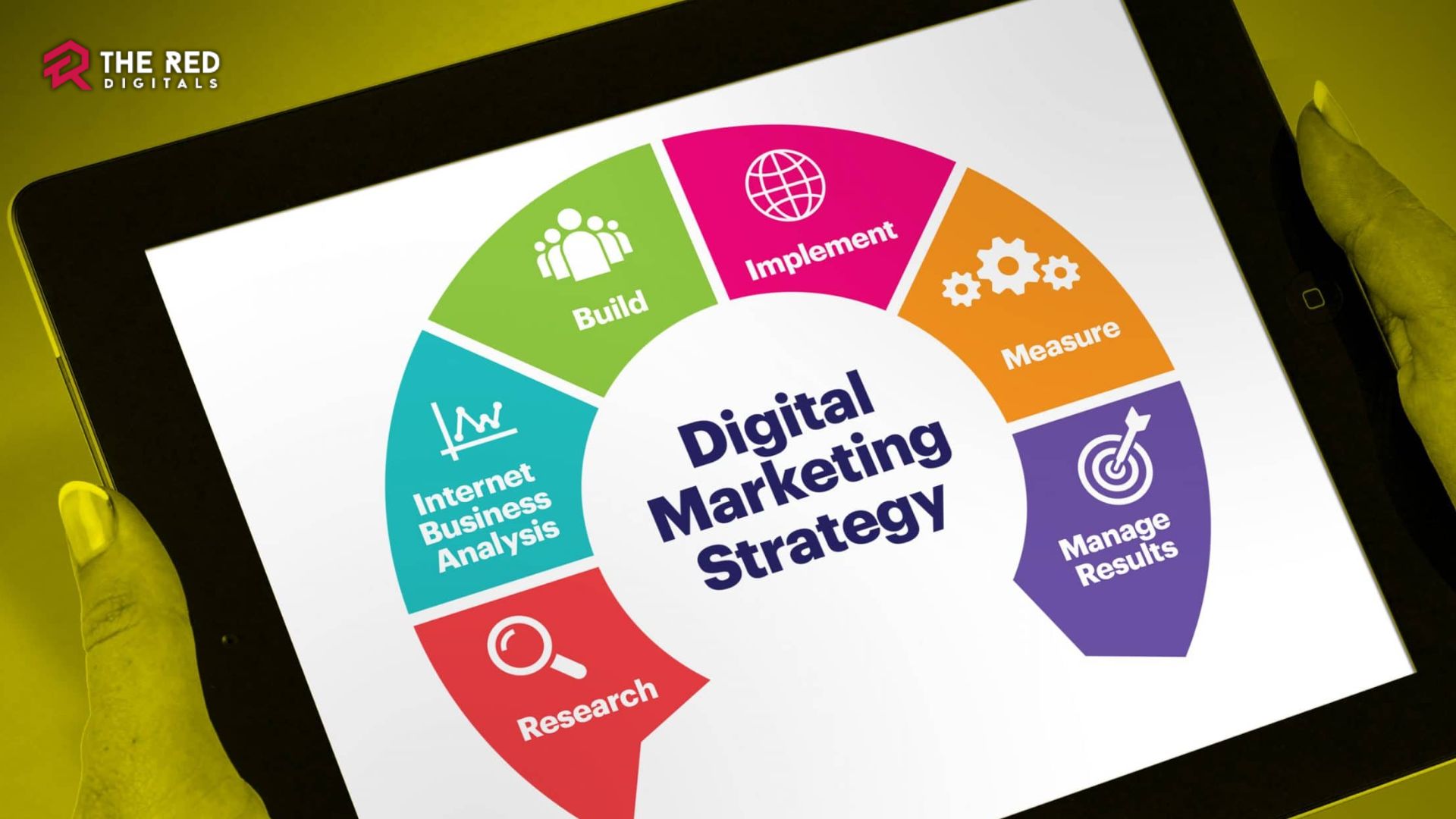
Every business needs a strong digital marketing strategy in this fast-changing online world. However, without a proper strategy and clear plan, your efforts may become ineffective, money will be wasted, and growth will slow down. Therefore, you must work properly on a structured approach, and you can create a roadmap that will lead you to the right people, generate leads, and drive consistent results.
In this blog, here are the strategies that would help you build a successful digital marketing plan.
1. Set Clear Goals and Objectives:
Beginning with well-defined goals is the key to a successful strategy. You have to work on the SMART framework (Specific, Measurable, Achievable, Relevant, Time-bound). For example:
- In 6 months, increase the website traffic by 30%
- Try to generate 200 qualified leads every month
- Increase your online sales by about 20% annually
When you focus on the measurable goals, you can easily track your performance, stay focused, and adjust when needed.
2. Understand your target audience:
For a strong digital marketing strategy, you must know who your target audience is. For this purpose, you can make the buyer personas by asking:
- Who is your ideal customer?
- What problems do they face?
- Which platforms do they use most?
- What content do they engage with?
With the help of this approach, you would know that your campaigns become more relevant, personal, and effective.
3. Audit Your Current Digital Presence:
Before moving forward, check your current efforts. You have to review the following things:
- Website and SEO performance
- Social media engagement
- Email marketing results
- Paid ad ROI
The audit highlights the strengths, weaknesses, and opportunities. This would help you to learn from your mistakes and help focus on things that deliver your desired results.
4. Select the Right Marketing Channels:
Digital marketing can be more effective when joined with other channels. Here are some of the most common channels to consider for your business:
- SEO (Search Engine Optimization): For organic visibility
- Content marketing: Through blogs, videos, and infographics
- Social media marketing: To create awareness
- Email marketing: To nurture leads
- PPC ads: If you need to reach audiences more quickly
- Influencer marketing: If you’re trying to build credibility
Choose marketing channels that your audience utilizes the most. If you can focus on fewer channels that they’re using, you will likely yield better outcomes.
5. Build a Content Strategy:
Most of your traffic is driven by your content. And content drives most marketing efforts. Your content drive should be strong and must include the following content strategy:
Website optimization, along with the keyword research for the blog
A proper calendar that would include your plan topics
Different types of formats, like blog posts, case studies, videos, and guides
and promoting through social media and email, complaints
When you stay consistent with your content, it will improve your ranking, build authority, and definitely attract the right audience.
6. Plan Budget and Resources:
When you don’t have proper planning, marketing costs can rise quickly.
- Track your budget for each channel: SEO, paid ads, social media
- Resources for content creation, design, and management
- And the tools you have for the analytics, automation, and scheduling
7. Create a Timeline and Action Plan:
Use a timeline to put your plan into action. For example:
Stage | Activities | Timeline |
Stage 1 | Audience research and goal setting | Month 1 |
Stage 2 | Content planning and SEO optimization | Month 2 |
Stage 3 | Drive campaigns | Month 3 onward |
Ongoing | Track, measure, and optimize | Weekly/monthly |
Milestones and deadlines help the team stay focused and accountable.
8. Track, Measure, and Optimize:
You cannot complete your digital marketing strategy without tracking performance. The focus you have to put on key strategies such as:
- Organic traffic growth
- Conversion rate
- Cost per acquisition
- Social media engagement
- Email open and click rates
For this purpose, you can use tools like Google Analytics to monitor your progress. And on the basis of that data, you can adjust your campaign, not just your assumption.
9. Improve and Scale:
Digital marketing is not static. As trends shift, you have to update your strategy. You have to work with new formats, you have to expand yourself to new platforms, and even refine your messaging. When you give your best towards the scaling campaigns, they will ensure your steady growth over time.
About The Red Digitals:
At The Red Digitals, we create customised digital marketing strategies that brings the next level of business growth online. Whether your business focuses on SEO, content marketing, social media, paid advertising, or a combination, our team ensures that everything is clear to help meet your goals. We believe that, like every business needs to grow, performance should be based on progress; it ultimately then comes down to the significance measurable success may hold for a business.
Final Thoughts:
Other than posting online, creating a strong digital marketing strategy is about much more. It is related to setting goals, understanding your audience, choosing the right channels, and working consistently with measuring your results. When you have the right plan, it will increase your brand visibility, generate leads for you, and achieve long-term success.
It is very important to stay competitive in 2025, and the key to their growth is digital marketing strategies.